Ask any founder who has fitted out an office in Dubai, or any family that has just signed a one-year lease in Sharjah, and the same question keeps coming back: should we rent this, or buy it outright? The UAE is unusual in how transient its people and businesses can be. Contracts run for months, projects wrap up in weeks, and expats move between emirates faster than most furniture warranties expire. That churn quietly changes the math on ownership, and it is worth working through carefully before you swipe a card for something you will only use for a season.
This guide compares the real costs of renting versus buying across four categories that most UAE budgets touch: furniture, equipment, vehicles and event supplies. It then walks through when each option makes sense for startups, SMEs, event companies, and residents planning weddings, renovations or temporary stays.
The cost picture: what you are really paying for
Ownership feels cheaper on paper because the price tag is a single number. Renting looks expensive because you keep seeing invoices. In practice, the two costs converge, and often flip, once you factor in delivery, maintenance, storage, depreciation and the cost of your own time. Here is how the four main categories tend to break down in the UAE market.
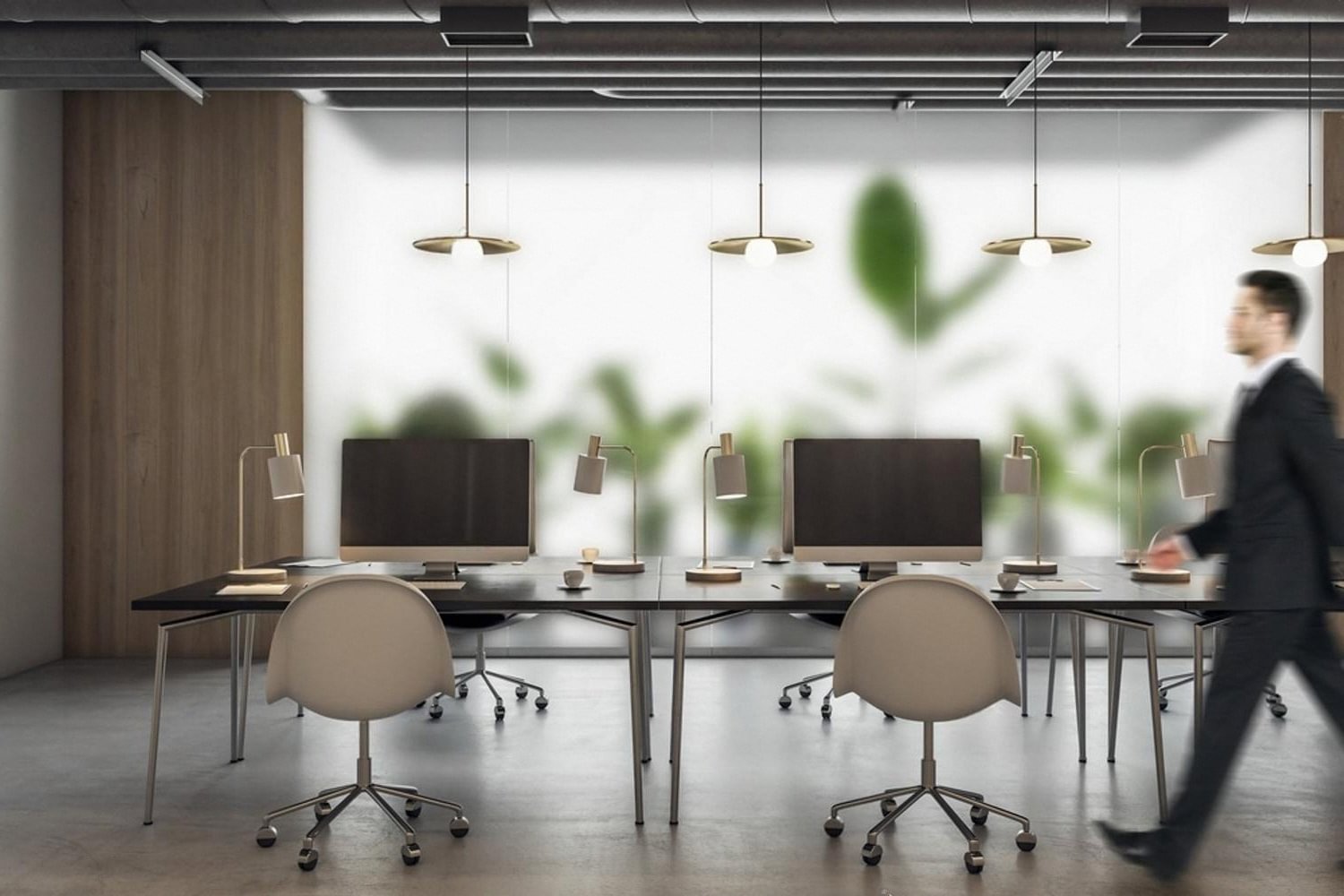
- Furniture. A full office fit-out for ten people can easily run AED 40,000 to AED 80,000 to buy. Renting the same desks, chairs and meeting tables typically lands in the AED 2,500 to AED 5,000 per month range, with delivery, assembly and swap-outs included. If your lease is under two years, renting almost always wins.
- Equipment. Printers, coffee machines, AV kits and kitchen appliances lose value the moment they leave the showroom. According to standard depreciation schedulesoffice equipment loses 20 to 30 percent of its value in the first year alone.
- Vehicles. A mid-range SUV in the UAE costs around AED 130,000 new, plus insurance, Salik, maintenance and depreciation. Monthly car rentals for the same class start near AED 2,000, all-in. For anyone unsure how long they will stay in the country, that certainty matters.
- Event supplies. Weddings, exhibitions and corporate launches need a lot of things you will never need again: sofas, stages, decor, tableware. Buying them for one night is rarely defensible, which is why the event rental sector is one of the fastest growing in the country.

Why renting keeps winning for short horizons
Renting is not just about avoiding a big invoice. It shifts several categories of risk off your balance sheet and onto someone else’s. For a UAE business with unpredictable growth, or a resident on a renewable visa, that trade is usually worth it.
- Lower upfront cost. Cash stays in the business, or in your savings, instead of being locked into assets that lose value.
- Access to newer models. Rental fleets refresh regularly. You end up using recent equipment without paying the premium for it.
- No maintenance headache. Servicing, repairs and replacements are the vendor’s problem. That alone is worth a lot to any operations manager.
- Flexibility. Scale up for a busy quarter, scale down when the project ends. Try before you commit. Swap a two-seater for a modular set when the team grows.
This last point matters more in the UAE than in most markets. Businesses here rarely stand still: a Dubai startup that has ten people in January can have twenty-five by June, or fold by September. Renting lets the physical footprint follow the actual reality.
When buying still makes sense
Ownership is not obsolete. It is simply the right answer for a narrower set of situations than most people assume. Buying tends to pay off when three conditions overlap: you will use the item for years, its resale value is reasonably predictable, and you can absorb maintenance costs without disruption.
- Long-term use. If a piece of equipment will run every working day for five years, monthly rental payments quickly exceed the purchase price.
- Asset ownership. Owned assets can be depreciated on the books, used as collateral, or sold. For an established SME, that adds up.
- Customization. Some businesses need machinery tuned to their exact workflow. Rental fleets are standardized by design.
- Predictable operations. A restaurant that has been open in JBR for six years, running the same menu, knows exactly what its oven needs to do. That is a buying case.
A simple break-even test
The math is easier than it looks. Take the purchase price of the item, add annual maintenance and insurance, subtract expected resale value at the end of your usage window. Divide that by the monthly rental rate for the same item. The result is your break-even point in months.
Scenario A: A meeting-room sofa
Buy price: AED 4,500. Expected resale after two years: AED 1,200. Net cost over 24 months: AED 3,300. Rental rate: AED 220 per month. Break-even: 15 months. If the office lease is 12 months with no renewal certainty, renting wins.
Scenario B: A commercial coffee machine
Buy price: AED 18,000. Servicing: AED 1,500 a year. Rental with servicing: AED 900 per month. Break-even: about 22 months. A cafe planning five years of trading should buy. A pop-up running for one Ramadan season should rent.
The business perspective: startups, SMEs and event companies
SMEs make up more than 94 percent of registered companies in the UAE, according to figures published by the UAE Government portaland their cash-flow discipline is what keeps them alive through the first three years. For most of them, renting the physical layer of the business is the sensible default.
Startups
Runway is everything. Every dirham locked into a desk is a dirham that cannot pay for marketing or a developer. Rented workspaces, rented laptops and furniture-as-a-service keep the burn rate honest.
SMEs
A five-year-old trading company with stable revenue can afford to own its core equipment and rent only the peripherals, the seasonal booth, the extra vehicle in Q4, the additional workstations for interns.
Event companies
These operators live and die by rental logistics. Nobody buys a thousand banquet chairs. Reliable suppliers of table chair rentals and lounge setups are what let event planners bid on jobs across Dubai and Abu Dhabi without warehouse costs.
The resident perspective: weddings, renovations and temporary homes
Individuals in the UAE face the same trade-off, just in shorter cycles. Expat households especially cannot assume they will still be in the same apartment, or the same country, in eighteen months. That single fact changes almost every buying decision.
- Weddings. A large UAE wedding easily involves 300 guests, custom decor, lighting rigs and lounge seating. Buying any of it makes no sense. Even families who host multiple functions a year rent because storage in Dubai is expensive and taste changes.
- Home renovations. When the living room is being repainted for two weeks, families often need temporary seating. Getting a sofa on rent for a short stretch is cheaper than storing spare furniture year round.
- Temporary housing. New arrivals on a probationary contract, or executives on a six-month project, rarely want to fill an apartment with owned furniture they will need to sell in a hurry. Renting a full apartment package for the contract length is now a mainstream option.
- Trial periods. Some residents rent a specific dining set or bed frame first, then buy the same model if they still love it after three months. That’s a smart way to test-drive a large purchase.
A quick decision framework
If you are still unsure, walk through this short checklist before every major spend. It removes most of the emotion from the choice.
- How long will I actually use this? If the honest answer is under two years, lean rental.
- Does it depreciate quickly? Vehicles, electronics and trend-driven furniture lose value fast. Rent them.
- Do I have space to store it when unused? In the UAE, storage costs are real. If the item sits idle nine months of the year, do not buy it.
- Can I maintain it myself? If not, factor annual servicing into the buy price honestly.
- Will my needs change? Growing team, moving apartment, expanding menu. Change favors renting.
Neither renting nor buying is universally smarter. What works is matching the commitment length of the asset to the commitment length of the plan. In a market as mobile as the UAE, that usually means renting more than you think you should, and buying only the handful of things you are truly certain about.
Frequently asked questions
Is it cheaper to rent or buy furniture for a Dubai office?
For office leases under two years, renting is almost always cheaper once you include delivery, assembly, maintenance and eventual resale losses. A ten-person office fit-out typically costs AED 40,000 to AED 80,000 to buy, versus AED 2,500 to AED 5,000 per month to rent with service included.
Buying tends to make sense only when your team is stable, the space is long-term, and you know your layout will not change.
How do I calculate the break-even point between renting and buying?
Take the purchase price, add expected maintenance over the period, subtract the resale value you can realistically get, and divide by the monthly rental rate for the same item. The answer is the number of months at which owning becomes cheaper than renting.
If you are not sure you will use the item for at least that many months, renting is the safer choice.
Do event companies in the UAE ever buy their own furniture and equipment?
Rarely for the large volume items. Event operators buy specialized gear like sound desks, lighting controllers or signature branded props, but tables, chairs, sofas, linens and decor are almost always rented from specialist suppliers.
The economics are simple: storage in the UAE is expensive, tastes change between seasons, and no single client base can absorb the cost of owning thousands of chairs.
Is renting furniture a good option for new expats in the UAE?
Yes, especially in the first year. Many new residents are on probationary contracts or short project assignments, and buying a full apartment of furniture that may need to be resold quickly rarely works out financially.
Furniture rental packages let you move in fully equipped, cancel or extend when your plans change, and only commit to buying once you know the country and the neighbourhood suit you.
When does buying a car in the UAE make more sense than long-term rental?
Buying tends to win if you plan to stay in the country for at least three to four years, drive high mileage, and can absorb insurance, Salik, servicing and depreciation without stressing your budget.
For anyone unsure of their residency length, or who wants a predictable monthly cost with no resale risk, long-term rental or leasing usually works out better.
Can I rent furniture just for a short renovation period?
Yes. Short-term rentals of one to three months are common in the UAE for exactly this reason. A rented sofa or dining set costs a fraction of buying replacement pieces, and the supplier handles delivery and pickup around your renovation schedule.
Are rented items in the UAE usually delivered and installed?
Reputable rental companies include delivery, assembly and pickup in the quoted price, particularly for office and event setups. For consumer rentals like sofas and bedroom sets, delivery is usually included within the main emirates, with a small surcharge for remote areas.
Always confirm what is bundled in the price before signing, and check whether maintenance visits during the rental period are covered.

Hiking addict, shiba-inu lover, ukulelist, Mad Men fan and fullstack designer. Acting at the junction of modernism and sustainability to express ideas through design. I prefer clear logic to decoration.